JOHNNY DOETHE LIFE WHISPERER

Pine pollen

Fiscal

replies
10
views
597
FiscalActive RecruitAuthor
Joined
Jun 2025
Messages
217

#1

One of my friends recommended using Pine Pollen to me. It's one of the (few) supplements that gave me direct results that I could feel within a short amount of time.

Simply worded advantages:

  1. More energy
    Makes you feel less tired and more awake.
  2. Good for men (testosterone)
    Has tiny amounts of natural testosterone-like stuff.
    Many men use it for:

    • Higher sex drive (libido)
    • Easier to build muscle
    • More strength and power
  3. Full of vitamins & minerals
    Contains lots of healthy things like vitamin A, B, C, D, E, magnesium, zinc, iron, and all the amino acids your body needs.
  4. Stronger immune system
    Helps your body fight sickness better.
  5. Less stress & faster recovery
    Helps you handle stress and bounce back quicker.

Personal experience: Made me feel happier, stronger, and more active in a short time. More masculine. Much more sex drive. I could concentrate better.

Best taken in powder form; the effect is somewhat lost with pills. Best taken in cycles (I think).

Has been used for over 3000 years by mankind so I think it's a legit thing to use that actually works.

marioITRecognized Voice
Joined
Sep 2019
Messages
708

#2

Fiscal said:

Has been used for over 3000 years by mankind so I think it's a legit thing to use that actually works.

there's for sure something about this...
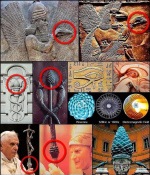
pine cones are everywhere in Vatican and history.
it's an occult topic on its own...
1763392411490.png

JohnnyDoeSchrödinger‘s guy
Joined
Jan 2020
Messages
10,049

#3

To start with, I wouldn’t take a random supplement because “a friend recommended it”. First check what you really need with bloodwork, then discuss with an expert about compounds and dosages.

Pine pollen is not oral TRT. It is a nutritionally dense plant dust with some interesting molecules and almost no hard human data behind the marketing.

Let’s investigate it.

  1. Energy and “feeling awake”

Pine pollen is basically a micro food. Reviews of its composition show carbohydrates, 10 to 30% protein, lipids, a full aminoacid profile, plus minerals and vitamins.
Recent lab analyses list vitamins A, several B vitamins (B1, B2, B6, folate), vitamin C, vitamin D3 and vitamin E, with magnesium, zinc, iron and others.

If your baseline diet or micronutrient status is mediocre, adding a concentrated mix of amino acids, vitamins and minerals can absolutely produce a subjective “energy” lift over a few days. Nothing special that can’t be found in normal, and more controlled, supplements.

No controlled human trial shows direct performance enhancement or increased ATP production from pine pollen. The “more energy” claim is plausible as micronutrient top up and placebo, not as a specific pharmacological effect.

  1. “Good for men” and testosterone

Old work on Scotch pine (Pinus sylvestris) showed measurable testosterone, epitestosterone and androstenedione in the pollen.
More recent reviews class pine pollen as a source of “phytoandrogens”, plant molecules that can act at the androgen receptor in animals.

Unfortunately a 2023 and 2024 wave of reviews and lab work confirm that pine pollen contains these steroids in micro quantities relative to human physiology, and standard oral intake runs into the usual first pass metabolism wall in liver and gut.

The first semi serious human data: an open label “beta” study in older men using a proprietary pine pollen tincture for 8 weeks reported an increase in mean total testosterone from about 360 to 448 ng/dL with borderline statistical significance (p ≈ 0.058) and a clearly better symptom score (qADAM).
No placebo group. No blinding. Tiny sample. It suggests just a possible effect worth testing, not a proven androgenic supplement.

So:

• Yes, pine pollen contains actual testosterone and related steroids.
• Yes, there is one small open-label trial hinting at an effect in older hypogonadal men using a tincture.
• No, there is still no robust randomized controlled human evidence that standard pine pollen powder or capsules meaningfully raises serum testosterone, builds muscle or transforms body composition.

If you take it, feel more “masculine” and get higher libido, that can be real at the subjective level. Mechanism is likely a mix of small hormonal signals (if any), dopamine, and pure expectation. Nothing in the literature supports treating it like even a weak pharmaceutical androgen.

  1. Vitamins, minerals and amino acids

Studies on Masson pine pollen and related species show a fairly complete amino acid profile, including all EAAs, plus multiple vitamins and more than 30 minerals and trace elements.

It is a legitimate micronutrient source, especially in powder form. The problem is dosage. To cover full daily requirements of some vitamins or minerals from pine pollen alone, quantities become impractical, and commercial supplements often underdose relative to the raw material data.

So it is reasonable to treat pine pollen as a “nutrient-dense add on”, not a full multivitamin and not a replacement for a decent diet.

  1. Immune system and recovery

Pine pollen extracts show:

• Antioxidant effects in vitro, with suppression of oxidative damage markers.
• Anti-inflammatory activity in cell models, including inhibition of IL-1β induced MMP-1 and MMP-3 via JNK pathway modulation.
• In rodent models, pine pollen polysaccharides improve various inflammatory and metabolic parameters and show immune modulation.
• Anti-fibrotic and liver protective effects in animal experiments.

A 2020 bibliometric review of pine pollen in traditional Chinese medicine concludes that many pharmacological effects look promising in vitro and in animals, but clinical confirmation in humans is largely missing.

So “stronger immune system” is an extrapolation. Correct version: pine pollen contains polysaccharides and phenolic compounds that show antioxidant, anti inflammatory, and immunomodulating effects in lab and animal models. Hard human outcome data does not exist.

  1. Stress, mood, “feeling better”

There are no serious human trials showing decreased cortisol, improved HRV, or standardized mood scales after pine pollen supplementation.

What exists:

• Antioxidant and anti inflammatory properties noted above, which in theory can support better recovery and resilience if the effect translates to humans.
• Traditional Chinese medicine descriptions that assign to pine pollen “anti fatigue” and “anti aging” roles, summarized in modern reviews, but again, these are mostly not backed by controlled clinical trials.

Your report of feeling happier, clearer and less tired within days fits perfectly with a substance that provides micronutrients, carries a strong story (“masculine, ancestral, androgenic”), and is taken with intent.

  1. Powder vs pills, cycling

Powder versus tablets: reasonable point. Larger surface area and fewer binders can improve dissolution and absorption of some plant materials. No pharmacokinetic studies for pine pollen, but in general, hard compressed tablets can reduce bioavailability if they are badly made. So “powder hits faster” is plausible.

Cycling: zero data. No study compares continuous versus intermittent use. People repeat “cycle it” because it sounds like steroid protocol design. Until there is proof of receptor downregulation or endocrine disruption in humans, cycling is pure tradition and superstition.

  1. “Used for 3,000 years”

Pine pollen is indeed documented in Chinese materia medica for centuries, mainly as a tonic for fatigue, aging and skin, and appears in modern Chinese pharmacopoeia.

That proves one thing: humans like this stuff and keep using it.

History does not prove efficacy or safety. Mercury, lead and bloodletting also have long medical histories. Traditional use is a reason to investigate a substance, not a reason to bypass controlled trials.

In short:

• Pine pollen is a nutrient dense plant product with real amino acids, vitamins, minerals and bioactive polysaccharides.
• It contains genuine androgenic steroids in trace amounts and fits in the “phytoandrogen” category.
• Lab and animal data support antioxidant, anti inflammatory and some immune effects.
• Human evidence is minimal. One small open label study suggests a weak testosterone bump in older men from a proprietary tincture, but there is no high quality trial showing strong androgenic or performance effects.
• Subjective boosts in energy, mood and libido are entirely possible, but you cannot assume they reflect a large hormonal change.

So if someone says “I feel more masculine and horny on pine pollen”, that is valid as an experience. If they claim “this raises testosterone like TRT”, they are outside what the current evidence allows.

If you need testosterone, inject testosterone. Simple and error-proof.
If you need vitamins, adjust your diet and lifestyle. If not sufficient, eat supplements.
Don’t play with random “natural” supplements. Just because they are found in nature, it doesn’t mean they are safe. Aspirin, for example, is completely natural: animals lick willow tree bark because it contains salicin, a compound that the body converts to salicylic acid, the precursor to aspirin, for its pain relieving and anti inflammatory effects. Our animal friends know when and how much to lick. Humans are not that smart and can die if they take too much aspirin (like they do in Hollywood movies).

JohnnyDoeSchrödinger‘s guy
Joined
Jan 2020
Messages
10,049

#4

marioIT said:

there's for sure something about this...
pine cones are everywhere in Vatican and history.
it's an occult topic on its own...

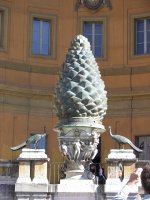
Nothing occult, this is just a modern thing.
Pine cones used to symbolize immortality and rebirth because pines are evergreen and long lived.
Plus, they are visually pleasant (see the Fibonacci spiral).
A nice example is the Pignone in Vatican (they moved it there some time ago from a fountain in the city center)
IMG_3269.jpeg

JustitActive Recruit
Joined
Jun 2025
Messages
162

#5

I saw a pine cone symbol everywhere in Sicily - it is a very old and important symbol for the local culture meaning good luck, protection and fertility. Pine cones are often found on balconies and gate posts, as well as in Sicilian ceramics as home decor and gifts.

JustitActive Recruit
Joined
Jun 2025
Messages
162

#6

JohnnyDoe said:

To start with, I wouldn’t take a random supplement because “a friend recommended it”. First check what you really need with bloodwork, then discuss with an expert about compounds and dosages.

Pine pollen is not oral TRT. It is a nutritionally dense plant dust with some interesting molecules and almost no hard human data behind the marketing.

Let’s investigate it.

  1. Energy and “feeling awake”

Pine pollen is basically a micro food. Reviews of its composition show carbohydrates, 10 to 30% protein, lipids, a full aminoacid profile, plus minerals and vitamins.
Recent lab analyses list vitamins A, several B vitamins (B1, B2, B6, folate), vitamin C, vitamin D3 and vitamin E, with magnesium, zinc, iron and others.

If your baseline diet or micronutrient status is mediocre, adding a concentrated mix of amino acids, vitamins and minerals can absolutely produce a subjective “energy” lift over a few days. Nothing special that can’t be found in normal, and more controlled, supplements.

No controlled human trial shows direct performance enhancement or increased ATP production from pine pollen. The “more energy” claim is plausible as micronutrient top up and placebo, not as a specific pharmacological effect.

  1. “Good for men” and testosterone

Old work on Scotch pine (Pinus sylvestris) showed measurable testosterone, epitestosterone and androstenedione in the pollen.
More recent reviews class pine pollen as a source of “phytoandrogens”, plant molecules that can act at the androgen receptor in animals.

Unfortunately a 2023 and 2024 wave of reviews and lab work confirm that pine pollen contains these steroids in micro quantities relative to human physiology, and standard oral intake runs into the usual first pass metabolism wall in liver and gut.

The first semi serious human data: an open label “beta” study in older men using a proprietary pine pollen tincture for 8 weeks reported an increase in mean total testosterone from about 360 to 448 ng/dL with borderline statistical significance (p ≈ 0.058) and a clearly better symptom score (qADAM).
No placebo group. No blinding. Tiny sample. It suggests just a possible effect worth testing, not a proven androgenic supplement.

So:

• Yes, pine pollen contains actual testosterone and related steroids.
• Yes, there is one small open-label trial hinting at an effect in older hypogonadal men using a tincture.
• No, there is still no robust randomized controlled human evidence that standard pine pollen powder or capsules meaningfully raises serum testosterone, builds muscle or transforms body composition.

If you take it, feel more “masculine” and get higher libido, that can be real at the subjective level. Mechanism is likely a mix of small hormonal signals (if any), dopamine, and pure expectation. Nothing in the literature supports treating it like even a weak pharmaceutical androgen.

  1. Vitamins, minerals and amino acids

Studies on Masson pine pollen and related species show a fairly complete amino acid profile, including all EAAs, plus multiple vitamins and more than 30 minerals and trace elements.

It is a legitimate micronutrient source, especially in powder form. The problem is dosage. To cover full daily requirements of some vitamins or minerals from pine pollen alone, quantities become impractical, and commercial supplements often underdose relative to the raw material data.

So it is reasonable to treat pine pollen as a “nutrient-dense add on”, not a full multivitamin and not a replacement for a decent diet.

  1. Immune system and recovery

Pine pollen extracts show:

• Antioxidant effects in vitro, with suppression of oxidative damage markers.
• Anti-inflammatory activity in cell models, including inhibition of IL-1β induced MMP-1 and MMP-3 via JNK pathway modulation.
• In rodent models, pine pollen polysaccharides improve various inflammatory and metabolic parameters and show immune modulation.
• Anti-fibrotic and liver protective effects in animal experiments.

A 2020 bibliometric review of pine pollen in traditional Chinese medicine concludes that many pharmacological effects look promising in vitro and in animals, but clinical confirmation in humans is largely missing.

So “stronger immune system” is an extrapolation. Correct version: pine pollen contains polysaccharides and phenolic compounds that show antioxidant, anti inflammatory, and immunomodulating effects in lab and animal models. Hard human outcome data does not exist.

  1. Stress, mood, “feeling better”

There are no serious human trials showing decreased cortisol, improved HRV, or standardized mood scales after pine pollen supplementation.

What exists:

• Antioxidant and anti inflammatory properties noted above, which in theory can support better recovery and resilience if the effect translates to humans.
• Traditional Chinese medicine descriptions that assign to pine pollen “anti fatigue” and “anti aging” roles, summarized in modern reviews, but again, these are mostly not backed by controlled clinical trials.

Your report of feeling happier, clearer and less tired within days fits perfectly with a substance that provides micronutrients, carries a strong story (“masculine, ancestral, androgenic”), and is taken with intent.

  1. Powder vs pills, cycling

Powder versus tablets: reasonable point. Larger surface area and fewer binders can improve dissolution and absorption of some plant materials. No pharmacokinetic studies for pine pollen, but in general, hard compressed tablets can reduce bioavailability if they are badly made. So “powder hits faster” is plausible.

Cycling: zero data. No study compares continuous versus intermittent use. People repeat “cycle it” because it sounds like steroid protocol design. Until there is proof of receptor downregulation or endocrine disruption in humans, cycling is pure tradition and superstition.

  1. “Used for 3,000 years”

Pine pollen is indeed documented in Chinese materia medica for centuries, mainly as a tonic for fatigue, aging and skin, and appears in modern Chinese pharmacopoeia.

That proves one thing: humans like this stuff and keep using it.

History does not prove efficacy or safety. Mercury, lead and bloodletting also have long medical histories. Traditional use is a reason to investigate a substance, not a reason to bypass controlled trials.

In short:

• Pine pollen is a nutrient dense plant product with real amino acids, vitamins, minerals and bioactive polysaccharides.
• It contains genuine androgenic steroids in trace amounts and fits in the “phytoandrogen” category.
• Lab and animal data support antioxidant, anti inflammatory and some immune effects.
• Human evidence is minimal. One small open label study suggests a weak testosterone bump in older men from a proprietary tincture, but there is no high quality trial showing strong androgenic or performance effects.
• Subjective boosts in energy, mood and libido are entirely possible, but you cannot assume they reflect a large hormonal change.

So if someone says “I feel more masculine and horny on pine pollen”, that is valid as an experience. If they claim “this raises testosterone like TRT”, they are outside what the current evidence allows.

If you need testosterone, inject testosterone. Simple and error-proof.
If you need vitamins, adjust your diet and lifestyle. If not sufficient, eat supplements.
Don’t play with random “natural” supplements. Just because they are found in nature, it doesn’t mean they are safe. Aspirin, for example, is completely natural: animals lick willow tree bark because it contains salicin, a compound that the body converts to salicylic acid, the precursor to aspirin, for its pain relieving and anti inflammatory effects. Our animal friends know when and how much to lick. Humans are not that smart and can die if they take too much aspirin (like they do in Hollywood movies).

Does this mean there are safer and more effective options for obtaining the positive effects @Fiscal described?

If one feels these positive effects and does not experience any side effects, can any side effects appear only after some time after using a supplement and what needs to be done to have any possible side effects under control?

JohnnyDoeSchrödinger‘s guy
Joined
Jan 2020
Messages
10,049

#7

Justit said:

Does this mean there are safer and more effective options for obtaining the positive effects @Fiscal described?

A proper training/diet/supplementation program based on lab tests and actual science.

Justit said:

If one feels these positive effects and does not experience any side effects, can any side effects appear only after some time after using a supplement and what needs to be done to have any possible side effects under control?

You can be your own guinea pig if you want... or follow well tested protocols

FiscalActive RecruitAuthor
Joined
Jun 2025
Messages
217

#8

To clarify: I don’t take supplements “because a friend recommended it.” As no one should. This friend tries different things and does extensive research. Also, I always look into things myself, and I decide what I’m comfortable with. It's the same as with everything in life I suppose: trust but verify. Pine pollen is a supplement, not a pharmaceutical, and I’m treating it exactly like that as an optional addition.

I deliberately kept my explanation at the beginning very simple and clear for anyone to understand (perhaps too simple), but here is some more:

On the research side, I feel the discussion often gets exaggerated. Yes, it’s true that pine pollen doesn’t have large-scale RCTs yet, but that’s the case for the majority of herbal or micronutrient-based supplements. Lack of big human trials doesn’t automatically mean something is useless it just means the research isn’t complete. There is scientific evidence for several aspects:

  • Nutrient density: Multiple peer-reviewed analyses confirm that pine pollen is rich in amino acids, vitamins, minerals, and antioxidants. That alone makes it comparable to other functional foods like spirulina or bee pollen, which also lack huge clinical trial data but still have recognized nutritional value.
  • Bioactive compounds: Studies show pine pollen contains flavonoids, polysaccharides, and phenolic compounds with documented antioxidant and anti-inflammatory effects in vitro and in animals. This is the same type of preliminary evidence that exists for many accepted supplements like turmeric (curcumin) or ashwagandha before they eventually received more human research.
  • Phytoandrogens and hormonal effects: You mentioned the trace steroid content, yes, the amounts are small, but “small amount” does not automatically mean “no effect.” Plenty of plant compounds have effects at micro-scale concentrations (e.g., phytoestrogens in soy, EGCG in green tea). The small open-label human study you noted is obviously not high-quality evidence, but it does mean the discussion is more nuanced than “it does nothing.”
  • Safety: Pine pollen is generally recognized as low-risk when used appropriately, and toxicity studies in animals show a high safety margin. That doesn’t make it a miracle product, but it does make the “don’t play with random natural substances” argument seem a bit overstated. By that logic, most common supplements magnesium, creatine, herbal extracts, multivitamins would also be suspicious simply due to incomplete RCT data.

So yes, more human trials would be great, but expecting pharmaceutical-level research for a natural nutrient-dense powder isn’t realistic on the other hand which I realize. Very few supplements meet that standard, yet millions of people still use them safely every day.

For me, the point is simple: I’m not treating pine pollen as TRT or a drug. I’m not expecting dramatic hormonal changes. I see it as a nutrient-rich supplement that might offer mild benefits increased well-being, energy, or mood which lines up perfectly with the existing biochemical and nutritional data.

If someone wants proven medical effects, of course they should stick to actual medicine. But for supplements, demanding full-scale clinical trials before acknowledging any potential benefit just doesn’t match how nutrition science works in the real world.

Don't start using pine pollen thinking you're on TRT or something similar. It can be a nice addition (in cycles) to your supplement stack with stronger, more noticeable, benefits than other supplements.

JohnnyDoeSchrödinger‘s guy
Joined
Jan 2020
Messages
10,049

#9

Fiscal said:

amino acids, vitamins, minerals, and antioxidants.

A healthy person with a balanced diet doesn’t need to supplement any of these, which are present in adequate quantities in “normal” food.

Fiscal said:

That alone makes it comparable to other functional foods

“Functional foods” or “superfoods” don’t exist. Food is food, unless it’s marketed in a different way for commercial purposes.

Fiscal said:

flavonoids, polysaccharides, and phenolic compounds

Again all micronutrients present in normal, everyday foods.

Fiscal said:

with documented antioxidant and anti-inflammatory effects

No food have antioxidant and/or anti inflammatory effects 🤦
Your (healthy) body knows how to regulate the right amount of inflammation and oxidation to ensure your wellbeing. If you follow a proper diet, exercise and lifestyle regime (sorry I’m boring, but that’s the reality)

Fiscal said:

turmeric (curcumin) or ashwagandha

Fantastic supplements, for those who sell them.

Fiscal said:

before they eventually received more human research.

  • Phytoandrogens and hormonal effects: You mentioned the trace steroid content, yes, the amounts are small, but “small amount” does not automatically mean “no effect.” Plenty of plant compounds have effects at micro-scale concentrations (e.g., phytoestrogens in soy, EGCG in green tea). The small open-label human study you noted is obviously not high-quality evidence, but it does mean the discussion is more nuanced than “it does nothing.”

That’s an additional reason to be very careful: you don’t mess with your endocrine system with unknown chemicals in unknown quantities. The consequences can be serious and permanent.

Fiscal said:
  • magnesium,

It’s a mineral. Mg. It’s essential, but your body doesn’t necessarily needs “integration”.

Fiscal said:
  • creatine,

No doubt it’s good. 5g is all you need.

Fiscal said:
  • herbal extracts,

If you like the taste, why not at breakfast?

Fiscal said:
  • multivitamins

Useless absent a medical condition, potentially harmful (hypervitaminosis is serious)

Fiscal said:

millions of people still use them safely every day.

The human body can withstand years of abuse. The fact that millions of people follow ads and social media instead of science is not a good reason to do the same.

Fiscal said:

For me, the point is simple: I’m not treating pine pollen as TRT or a drug. I’m not expecting dramatic hormonal changes. I see it as a nutrient-rich supplement that might offer mild benefits increased well-being, energy, or mood which lines up perfectly with the existing biochemical and nutritional data.

If you “need” it, like any other substance, there might be something wrong worth to be checked.
Did you check your hormones? Do you know your baseline and did you check the effects of the supplement on it?
Well being, energy, mood are expressions of a plethora of mechanisms and hormones. Our metabolism is simply the ensemble of all the chemical reactions taking place inside our body. Change reactants and the product changes.

Fiscal said:

But for supplements, demanding full-scale clinical trials before acknowledging any potential benefit just doesn’t match how nutrition science works in the real world.

Broscience is cool and often a step ahead “official” science, thanks to human guinea pigs. It’s always worth to ask yourself if it’s better to be a guinea pig and try a shortcut, or follow the hard, well proven path.

Fiscal said:

Don't start using pine pollen thinking you're on TRT or something similar. It can be a nice addition (in cycles) to your supplement stack with stronger, more noticeable, benefits than other supplements.

It can, but for sure it doesn’t fix anything. If it makes you feel better, go for it, probably it will cause no damage if you use it just until your visit to a real doctor.

JustitActive Recruit
Joined
Jun 2025
Messages
162

#10

I often come across the opinion that if something is a “natural supplement,” it can only have positive effects and cannot cause any harm. But that’s not true. Pharmaceutical supplements that are properly made and tested in laboratories are often much safer.

A good example is homemade face masks. You often see advice like: mix honey with breadcrumbs to make a natural face scrub, or cut cucumbers and strawberries and apply them as a skin mask on your face. Natural? Yes, very natural! Useful? Not really. In the best case, they do nothing; in the more likely case, they cause irritation and other skin problems. There is no comparison between these DIY mixtures and high-quality skincare products developed and tested in laboratories.

Yet this kind of “natural skincare” advice never seems to end, and millions of people continue to follow it, convinced they’re making the best choice simply because it’s “natural.”

JohnnyDoeSchrödinger‘s guy
Joined
Jan 2020
Messages
10,049

#11

Opium is natural. Peyote is natural: you can eat it as you find it - organic 🤪 (ok they say it's peyote that finds you but you get the sense)
Yet I don't recommend using these plants, at least not too often.

More in Biohacking

All 36 threads

  1. 369 Inception

    Vizier · 6 replies · last 14 Nov 2026

  2. Bryan Johnson: an expensive scam disguised as science

    JohnnyDoe · 16 replies · last 7 Jul 2026

  3. What do you think about going to Dr. med. Hans-Wilhelm Müller-Wohlfahrt for knee and left shoulder "refurbishing"?

    jafo · 4 replies · last 28 May 2026

  4. How to heal injuries faster with BPC-157, TB-500 and KPV

    JohnnyDoe · 13 replies · last 2 May 2026

True power moves in silence.

Begin application